
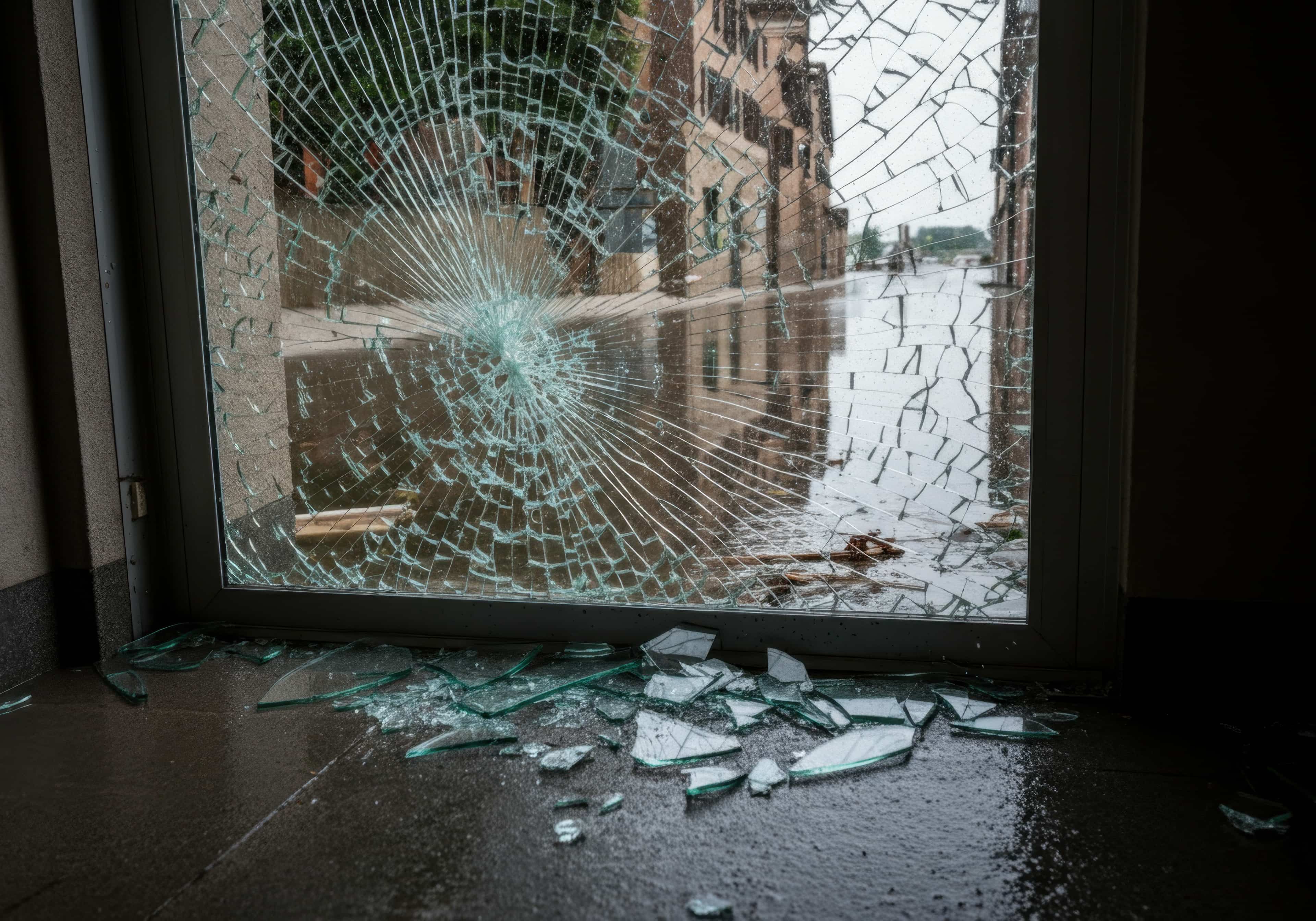
Every June, Tampa homeowners run through the same familiar checklist — shutters, generators, flood insurance, emergency kits. But there's one item that almost never makes the list, quietly sitting in your bathroom and posing a real safety risk when a major storm rolls through: your shower door in Tampa.
It's easy to overlook. After all, shower doors don't seem like a hurricane hazard. But when wind pressures spike, when debris impacts ripple through a home's structure, and when panicked moments in a storm lead to accidents, the type of glass in your shower enclosure can be the difference between a minor incident and a serious injury.
This guide is written specifically for Tampa homeowners navigating hurricane season — whether you're in South Tampa, Hyde Park, Brandon, Davis Islands, or Carrollwood. We'll cover what makes shower glass dangerous during storms, what types of glass offer the most safety, how to inspect your current enclosure, and when it's time to upgrade your shower door in Tampa.
Quick Facts: Florida Building Code requires tempered or laminated safety glass in all shower enclosures. Annealed (standard) glass is non-compliant and dangerous. A frameless shower door using 3/8"–1/2" tempered glass is the safest, most storm-resilient upgrade available to Tampa homeowners.
Why Shower Door Glass Safety Matters More in Tampa Than Almost Anywhere Else
Tampa sits squarely in one of the most active hurricane corridors in the United States. The Tampa Bay area has a historically elevated risk of direct hurricane landfall, and meteorologists have repeatedly flagged the region's vulnerability due to its geography, shallow bay, and storm surge exposure. Neighborhoods including South Tampa, Hyde Park, Bayshore Boulevard, Davis Islands, Channelside, Brandon, Riverview, Carrollwood, and New Tampa all sit within zones where direct storm impacts and surge flooding have historically occurred — making glass safety a genuine local concern, not a hypothetical one.
During a hurricane or severe tropical storm, your home experiences:
- Dramatic pressure fluctuations as wind forces push and pull on every surface
- Structural vibrations from sustained winds and gusts
- Potential debris impacts if windows or doors fail
- Panicked movement by occupants moving quickly through the home in low-light or stressful conditions
Each of these scenarios creates an environment where a compromised or outdated shower door becomes a genuine hazard. Standard annealed glass — the type used in older shower enclosures — shatters into large, jagged shards that can cause lacerations, puncture wounds, and worse.
Florida's building codes have evolved significantly in response to this risk, but homes built before updated standards may still contain glass that doesn't meet current safety benchmarks.
Understanding Shower Door Glass Types: A Safety Comparison
Not all shower glass is created equal. The type of glass in your enclosure determines how it behaves under stress — and how dangerous it is if it breaks.
Annealed Glass (Standard Float Glass)
Annealed glass is the baseline product — it's been slowly cooled after forming but receives no additional strengthening treatment. It's the cheapest option and, unfortunately, still found in many older Tampa homes.
The danger: When annealed glass breaks, it fractures into large, razor-sharp shards. In a storm scenario or during a fall against the door, this type of breakage is responsible for the majority of shower-related injuries.
Florida code status: Annealed glass does not meet current Florida Building Code requirements for shower enclosures. If your home has it, you're living with a non-compliant and potentially dangerous installation.
Tempered Glass (Safety Glass)
Tempered glass is heat-treated to be approximately four times stronger than standard annealed glass. More importantly, when it does break, it shatters into small, rounded pebbles rather than sharp shards — dramatically reducing injury risk.
The advantage: Tempered glass is the Florida Building Code minimum standard for shower enclosures. It handles pressure fluctuations better and provides meaningful impact resistance.
The limitation: Tempered glass can still shatter completely under sufficient force — such as a direct structural impact during a major storm — leaving your shower enclosure without a panel.
Laminated Safety Glass
Laminated glass consists of two or more glass layers bonded with an interlayer (typically polyvinyl butyral, or PVB). When broken, the interlayer holds the glass fragments in place — similar to automotive windshield glass.
The advantage for hurricane season: Laminated glass is the superior choice for storm resilience. It resists shattering completely, meaning even if the glass cracks, it stays within the frame. This prevents sudden exposure to glass edges and maintains a barrier in the enclosure.
Ideal for: Homeowners in high-wind zones, those who want maximum safety, and any installation near a window or exterior wall that could be affected by pressure changes.
Tempered + Laminated Combination
Some premium shower enclosures use glass that combines both treatments — tempered for strength and laminated for fragment retention. This is the gold standard for safety-conscious Tampa homeowners.
Glass Safety Comparison Table
| Glass Type | Breakage Pattern | Florida Code Compliant | Storm Resilience | Relative Cost |
|---|---|---|---|---|
| Annealed (Standard) | Large jagged shards | ❌ No | Poor | Lowest |
| Tempered | Small rounded pebbles | ✅ Yes | Moderate | Moderate |
| Laminated | Stays in frame (cracked) | ✅ Yes | High | Higher |
| Tempered + Laminated | Stays in frame (crumbled) | ✅ Yes | Highest | Premium |
How Hurricanes Can Affect Your Shower Enclosure Specifically
You might be wondering: "My shower is inside the house — how would a hurricane actually affect it?"
Here's how storm conditions translate to interior glass risks:
1. Pressure Differentials Inside the Home
When a hurricane makes landfall or passes close to Tampa, the atmospheric pressure changes rapidly and dramatically. If a window or exterior door fails — even in another part of your home — it creates sudden pressure changes throughout the structure. Glass panels, including shower doors, can flex, stress-crack, or in worst cases, pop out of their frames under this pressure.
2. Structural Movement and Vibration
Modern homes are designed to flex slightly under wind load. But this movement transfers through walls and floors. Older shower enclosures with worn seals, loose frames, or inadequately anchored hardware are vulnerable to this structural movement — even when the storm force is indirect.
3. Evacuation and Sheltering Panic
This one is less obvious but critically important: storms cause people to move quickly through their homes, often in partial darkness or during power outages. Stumbling against a shower door or glass panel in these conditions is far more likely than on a regular day. The type of glass in that enclosure determines what happens if someone falls against it.
4. Post-Storm Structural Compromise
After a hurricane, hidden structural damage can cause delayed glass failures. Hairline cracks from storm stress may not be immediately visible but can cause spontaneous shattering days or weeks later — sometimes when someone is using the shower.
How to Inspect Your Tampa Shower Door Before Hurricane Season
Before Atlantic hurricane season peaks (August through October), take 15 minutes to inspect your shower enclosure using this checklist:
Pre-Hurricane Season Shower Door Inspection Checklist
- Check the glass type — Look for an etched or stenciled mark in the corner of the glass. "Tempered" or "Safety Glass" should be visible. No marking? It may be annealed.
- Inspect the frame — Check for rust, corrosion, loose screws, or sections that have pulled away from the wall.
- Examine the seals and caulking — Cracked, peeling, or missing caulk around the frame is a sign of age and reduced structural integrity.
- Test the hinges and rollers — Stiff, grinding, or misaligned door movement indicates wear that should be addressed.
- Look for chips, scratches, or stress marks — Even minor damage can compromise the structural integrity of tempered glass.
- Check the threshold and bottom track — Water infiltration and rust here can weaken the entire enclosure over time.
- Confirm proper installation clearances — The door should swing or slide freely without dragging or binding.
When to call a professional: If you find any of the above issues, or if your glass lacks a safety marking, contact a licensed glass company in Tampa before storm season escalates.
Florida Building Code and Shower Glass: What Tampa Homeowners Must Know
Florida has some of the most stringent building codes in the country, largely due to lessons learned from Hurricane Andrew in 1992 and subsequent major storms.
Key Florida Building Code requirements for shower enclosures:
- All shower and tub enclosure glazing must use safety glazing — either tempered or laminated glass
- Glass must meet ASTM C1048 (tempered) or ASTM C1172 (laminated) standards
- Minimum glass thickness for most residential shower applications is 3/16 inch (4.76mm) for tempered glass
- All compliant safety glass must be permanently marked with the manufacturer's label or etching
If your home was built before 1994 or has undergone bathroom renovations without proper permits, there's a real chance your shower glass doesn't meet current code. This isn't just a code violation — it's a liability issue for your homeowner's insurance and a safety risk for your family.
Should You Replace Your Tampa Shower Door Before Hurricane Season?
Here's a practical decision guide:
You should strongly consider replacement if:
- Your glass has no safety marking (likely annealed)
- The frame shows significant rust, corrosion, or structural failure
- The glass has visible chips, cracks, or stress fractures
- Your home was built before 1994 and the bathroom hasn't been updated
- You have young children or elderly family members — higher vulnerability to glass injury
- Your enclosure is near an exterior wall, skylight, or window
You may be able to wait if:
- Your glass is confirmed tempered and shows no damage
- The frame, seals, and hardware are in good condition
- You've recently had the enclosure professionally inspected
The best approach: If you're unsure, have a licensed Tampa glass professional assess your enclosure. The cost of an inspection is minimal compared to the cost — financial and physical — of a glass failure during a storm.
The Case for Upgrading to a Frameless Glass Shower Enclosure
If you're already considering replacing an outdated shower enclosure, hurricane season is a compelling reason to invest in a quality frameless glass shower door system.
Why frameless enclosures offer advantages in storm conditions:
- Thicker glass — Frameless designs typically use 3/8" to 1/2" tempered glass, significantly heavier and more resistant than framed alternatives
- Fewer failure points — Traditional framed enclosures have more metal components that can corrode and fail; frameless designs have a cleaner, more durable profile
- Better sealing options — Modern frameless systems use high-quality hardware and seals that maintain integrity over time
- Compliance confidence — A new installation from a licensed Tampa glass company will be built to current Florida code
Beyond storm safety, frameless glass shower enclosures add aesthetic value to your home and are easier to clean and maintain — see our guide on shower door styles for Tampa coastal homes for design and material options suited to Florida's environment.
Key Takeaways
- Standard annealed glass is dangerous — it breaks into sharp shards and doesn't meet Florida Building Code for shower enclosures
- Tempered glass is the minimum standard — it's code-compliant and breaks into safer pebble-shaped fragments
- Laminated glass offers the highest protection — it stays in the frame even when cracked, making it ideal for hurricane season safety
- Hurricane conditions affect interior glass through pressure differentials, structural vibration, and increased accident risk during storm events
- Inspect your shower enclosure now — before peak hurricane season (August–October), check for glass type, frame condition, and seal integrity
- Florida Building Code requires safety glazing — if your glass isn't marked as tempered or laminated, it may be non-compliant and dangerous
- Upgrading to a frameless enclosure offers better glass thickness, fewer failure points, and current code compliance
Frequently Asked Questions
Does my shower door need to be hurricane-rated?
Shower doors are interior glazing and are not required to be hurricane-rated like exterior windows and doors. However, they must meet Florida Building Code safety glazing requirements (tempered or laminated glass). For maximum safety during hurricane season, laminated glass is the superior choice.
How do I know if my shower glass is tempered?
Look for a permanent etching or label in one of the corners of the glass panel. It should state "Tempered," "Safety Glass," or reference a standard like ASTM C1048. If there's no marking, assume it may be standard annealed glass and have it professionally assessed.
Can a hurricane cause my shower door to shatter spontaneously?
Yes, it's possible. Pressure differentials, structural flexing, and indirect vibration from severe storm conditions can stress glass panels. Pre-existing micro-fractures or chips make this more likely. Replacing damaged or outdated glass before hurricane season significantly reduces this risk.
What thickness should shower glass be in Florida?
Florida Building Code requires a minimum of 3/16 inch (approximately 4.76mm) for tempered shower glass. Frameless enclosures typically use 3/8" or 1/2" glass, which provides greater strength and is better suited to Florida's storm environment.
Is laminated glass worth the extra cost for a shower enclosure?
For Tampa homeowners, yes — especially if your bathroom is near an exterior wall or you have children or elderly family members. The additional cost of laminated glass is modest compared to the safety benefit it provides, and it offers peace of mind during hurricane season that standard tempered glass cannot match.
What affects the cost of replacing a shower door in Tampa?
Shower door replacement pricing in Tampa depends on the enclosure type (framed, semi-frameless, or frameless), glass specification and thickness, the size of the opening, configuration, hardware finish, and installation complexity. Framed enclosures with tempered glass are the most budget-friendly, while semi-frameless and frameless enclosures using 3/8"–1/2" tempered glass sit higher. Laminated glass upgrades add to the base cost but offer significantly improved safety performance. For an accurate figure, request a free consultation and quote from Henderson's Glass & Mirror.
When is the best time to replace my shower door before hurricane season?
Ideally, schedule your replacement between March and May — before the Atlantic hurricane season officially begins on June 1. This gives your installation time to settle and ensures you're not competing with emergency repair demand if a storm threatens the Tampa Bay area.
Protect Your Home Before the Storm — Talk to Henderson's Glass & Mirror
Henderson's Glass & Mirror serves homeowners across the full Tampa Bay metro, including South Tampa (33611, 33616, 33629), Hyde Park (33606), Davis Islands (33606), Channelside & Downtown Tampa (33602), Brandon (33510, 33511), Riverview (33569, 33578), Carrollwood (33618, 33624), Wesley Chapel (33543), and New Tampa (33647). We also serve Hillsborough, Pinellas, Pasco, and Polk counties — fully licensed and insured throughout the region.
Tampa's hurricane season isn't something to take lightly, and neither is the glass inside your home. At Henderson's Glass & Mirror, we've helped Tampa Bay homeowners make smart, safety-focused decisions about shower enclosures, glass selection, and code-compliant installations for years.
Whether you need a professional assessment of your existing enclosure, a full replacement with safety-rated glass options, or advice on upgrading to a frameless system before storm season, our team is ready to help.
Don't wait for the storm warning to think about glass safety. Contact Henderson's Glass & Mirror today for a consultation.
Henderson's Glass & Mirror serves Tampa and the surrounding Tampa Bay area. We specialize in residential shower enclosures, frameless glass doors, mirrors, and custom glass solutions — all installed to Florida Building Code standards.
Ready for a Free Quote?
Get a no-obligation estimate from Florida's trusted glass installers. We come to you.
Get a Free Estimate(321) 443-8502